As I’m writing this, I’m sitting on a bus on my way to visit friends in Finland. Hugh and I just spent about a week and a half in Estonia visiting my family, and now we’re heading across the water to Finland for a few days.
If you’re new here, a quick bit of background. I was born and raised in Estonia and lived there until my mid twenties. After that, I moved to Finland and spent about four years there. I still visit about once a year, so I know both countries quite well.
Every time I come back, one thing stands out. Many people seem to stay relatively fit without doing anything extreme. You don’t see constant dieting, workout plans that feel like punishment, or people obsessing over every calorie the way you often do in other places.
Before I go further, I want to make one thing clear. I am not talking about everyone. I am talking about general patterns that I notice, mostly in cities. People in rural areas tend to move less and may not always follow the same habits. And of course these countries are not perfect either.
These are simply my personal observations about how many people live and why that lifestyle seems to support good health.
There are 4 reasons why people stay relatively healthy and fit without doing anything extreme:
1. People Move a Lot in Everyday Life
One of the biggest differences I notice is how much people move without thinking of it as exercise.
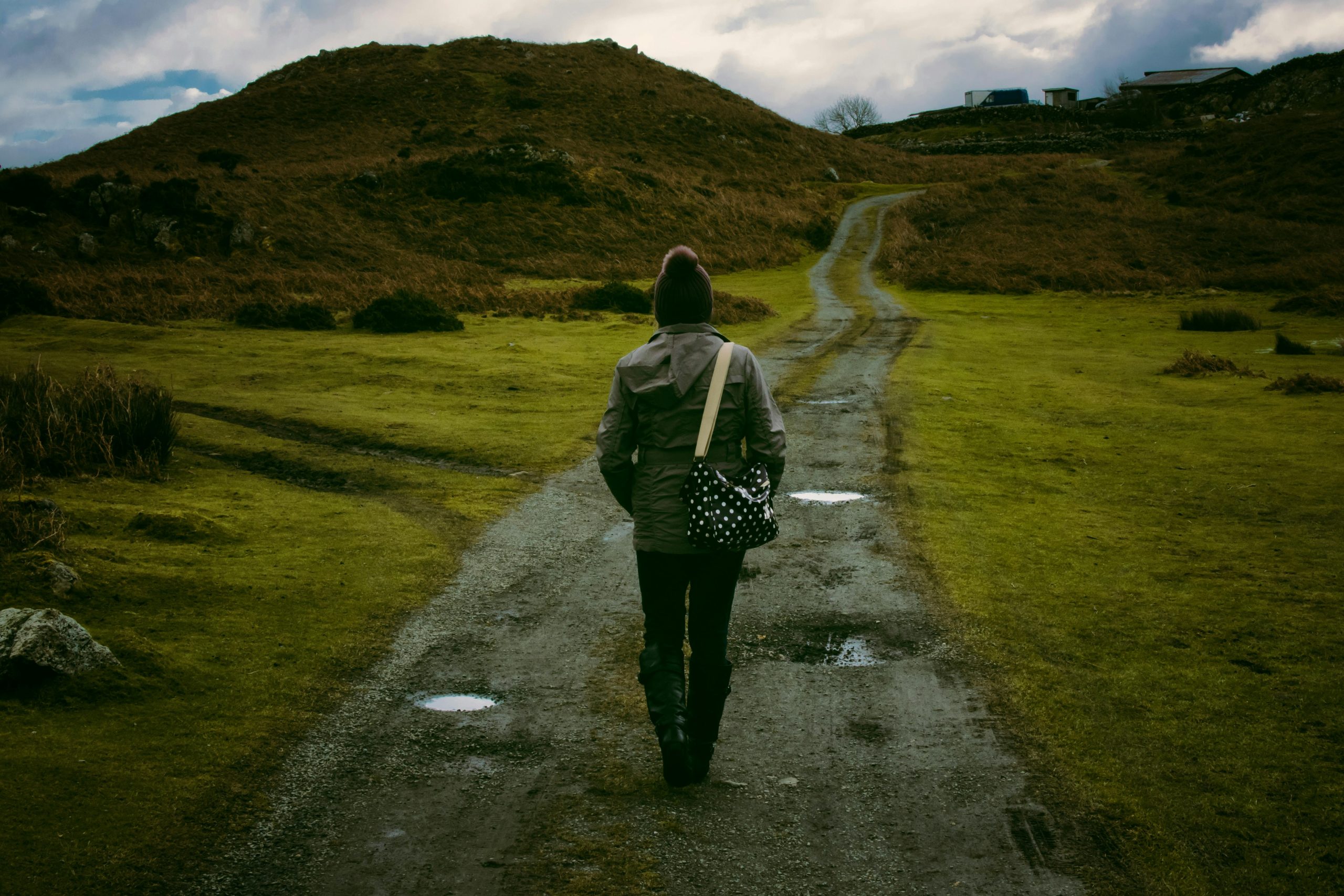
Most people have cars, but they do not drive everywhere. If the store is a kilometer away, many people will simply walk there unless they are in a hurry.
Public transportation is also very common and quite convenient. One of my friends in Helsinki told me she walks about forty minutes a day just because she takes the bus to work. She walks to the train station, from the train switches to the bus, and walks the rest of the way. None of this is considered a workout. It is simply daily life.
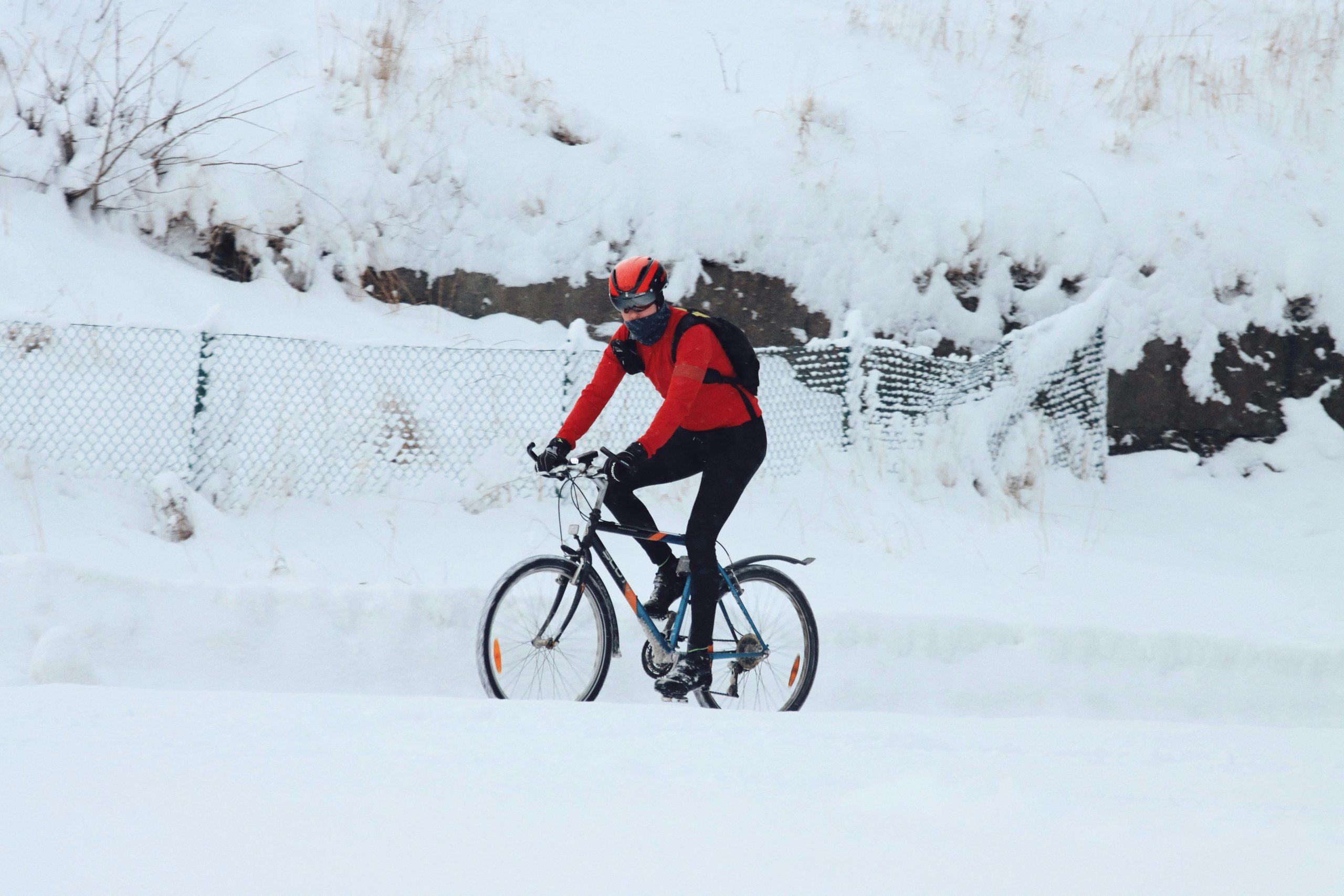
Biking is another big one. My cousin bikes to work and says it takes about twenty to thirty minutes. His view is simple: Why drive when the bike ride gives you your daily movement at the same time?
In Finland, people even bike in the winter when there is snow and freezing temperatures.
On top of that, most people have hobbies that keep them active. As much as I love the gym, let's be clear: The gym is just one of the many ways people stay in shape.
My sister walks a lot every day. My brother in law plays volleyball. Their kids play soccer and volleyball, swim, and go to the gym. My cousin hikes and goes camping even in winter. One of my cousin's girlfriends plays padel, which is a sport similar to tennis.
People move because it is fun, because they enjoy being outside, and because they have always done it that way. It is not usually about burning calories or earning the right to eat.
2. Most Meals Are Cooked at Home
Another big factor is how people eat.
In Estonia and Finland, many meals are still cooked at home. Food tends to be simple and based on basic ingredients.
A typical winter meal might be boiled potatoes with beef gravy and pickled vegetables. Another might be noodles with ground beef and some pickled vegetables on the side. Fish soup with a few slices of dark rye bread is also very common.
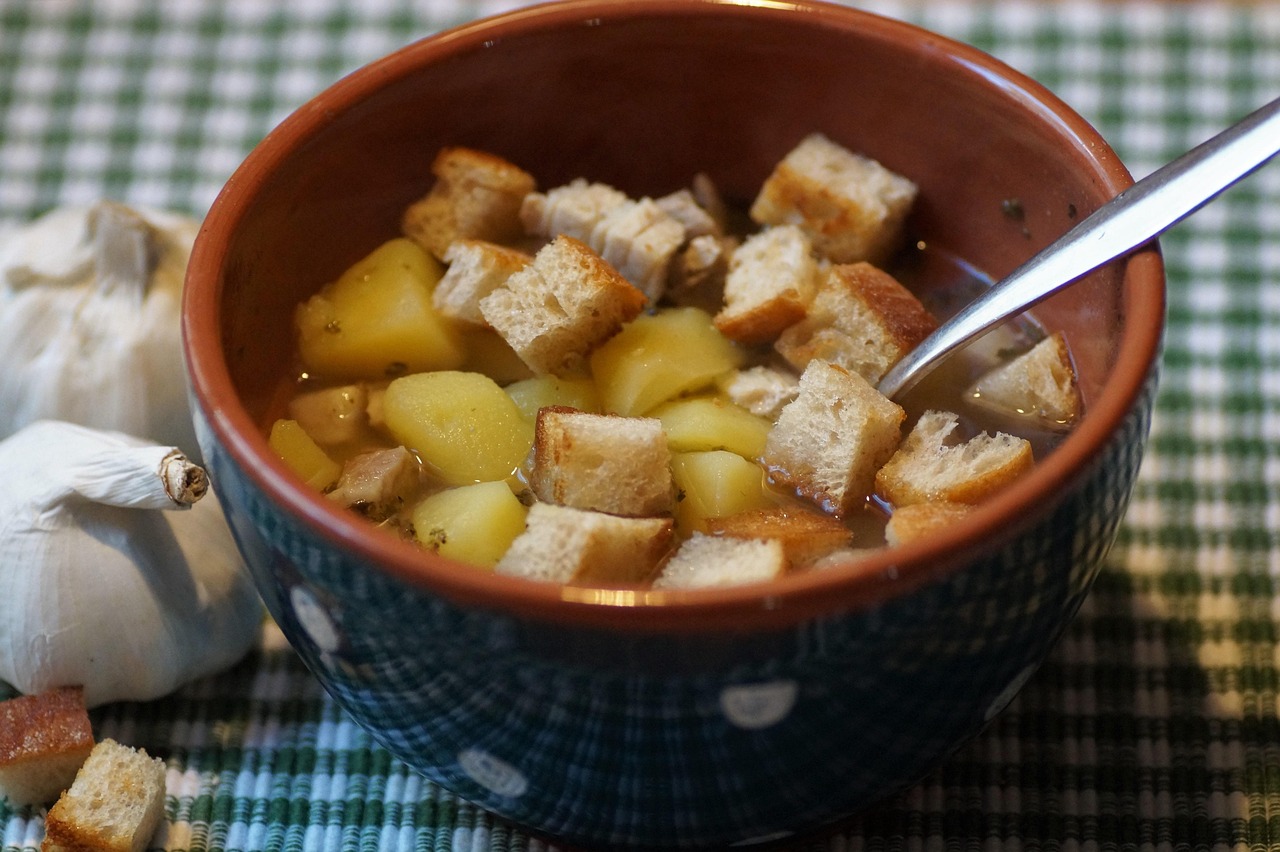
Many people bring lunch to work instead of buying food out. That means they are often eating the same type of simple meals they cooked at home.
Eating out is usually reserved for special occasions. It is not something most people do daily and for many people not even weekly. It is also quite expensive, which naturally limits how often people do it.
This alone makes a big difference in overall calorie intake and food quality.
What about sweets and snacks though?
People do eat sweets and snacks. Estonia and Finland have some excellent chocolate, and I am definitely bringing some back with me.
But the way people eat sweets often looks different. It is very normal for someone to have a few pieces of chocolate during the day without thinking much about it. It is not labeled as bad food and it usually does not turn into a binge.
Sweets are simply part of life, but the amounts tend to stay moderate.
When food is not heavily restricted or labeled as forbidden, people often seem to have a more relaxed relationship with it.
3. Portion Sizes Are Smaller
Another thing many visitors notice quickly is portion size.
If you are from the United States and visit Estonia or Finland, restaurant portions will likely seem small at first.
But something interesting happens once you get used to it. You often realize that the portion was actually enough.
I had that realization myself last summer when I was visiting Estonia. I finished a meal that earlier I might have thought was too small, yet I felt completely satisfied.
It made me realize that sometimes we simply eat more than we truly need because larger portions are so normal.
Smaller portions show up in many ways. Refrigerators are smaller. Food packages are smaller. Plates are smaller. Meals often contain fewer ingredients.
All of these small things quietly influence how much people eat.
4. Food Is Not Everywhere All the Time
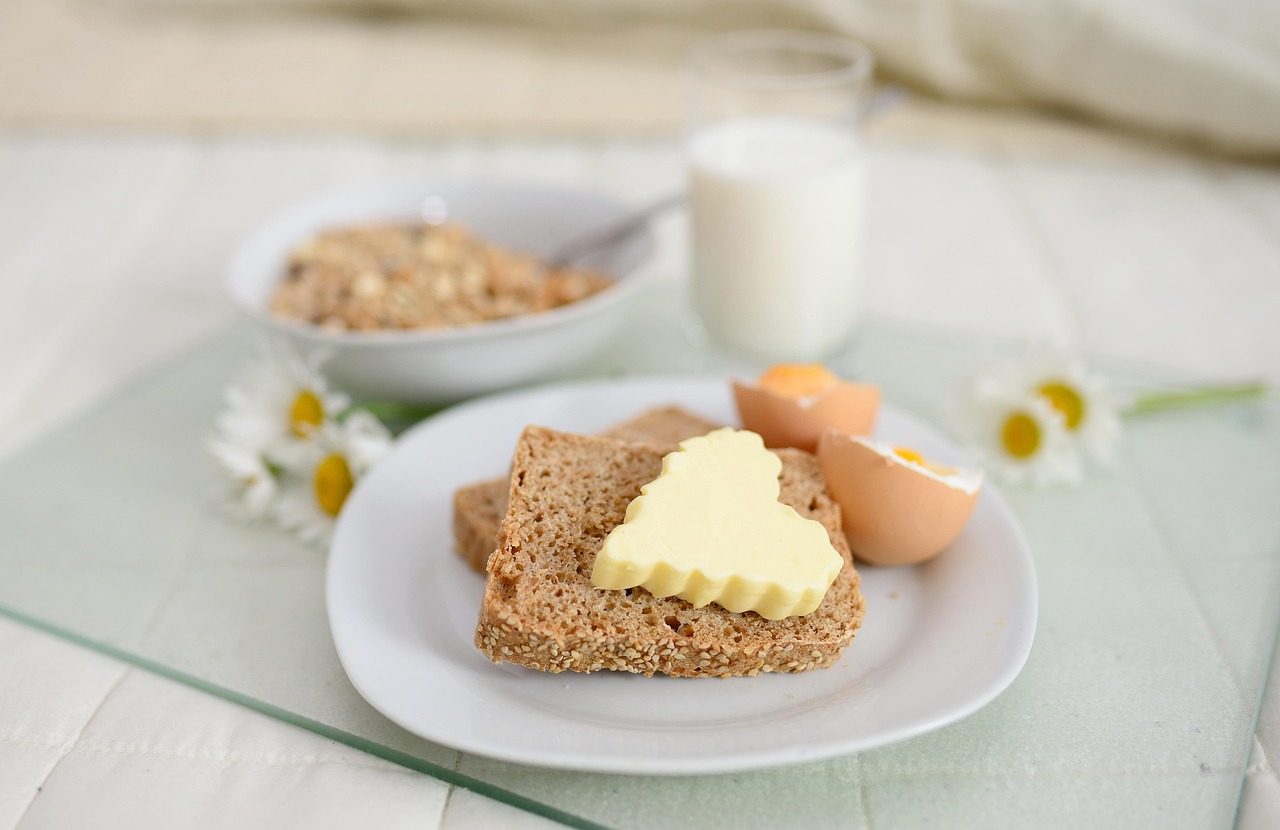
Another noticeable difference is that food is not constantly around.
People eat their meal, put the food away, and move on with their day.
You do not see snacks sitting out everywhere or constant grazing throughout the day. Eating is usually tied to meals.
That does not mean people do not enjoy food. They absolutely do. And during holidays like Christmas, people often eat a lot.
But during everyday life, food tends to be seen more as nourishment. You eat when it is time to eat, then you put the food away until the next meal.
This naturally reduces mindless eating.
A Few Things That Are Not So Great
To be fair, there are also things about these countries that are not ideal.
Alcohol is one of them. The older generations especially tend to enjoy their drinks, and alcohol is often present during celebrations and even in everyday life. I do see this is slowly changing with younger people and that it seems to me that they don't actually drink as much as older people.
Another change I have noticed is the increase in fast food and highly processed foods. When I was growing up in Estonia, there was much less of it. Now you see fast food even at gas stations. That trend is similar to what we see in many other countries.
Personally, I also miss having more fresh vegetables when I am there during winter. Because of the colder climate, fresh produce is not always as available, so meals tend to be heavier and based on foods that store well.
And finally, I have one small, maybe funny complaint. Coffee cups are tiny. I take two sips and suddenly the cup is empty. That part I would happily change.
Final Thoughts
The reason I wanted to share these observations is simple.
They show that health and fitness do not always have to come from strict diets, no pain, no gain style workouts, or complicated rules.
Often it is the small daily habits that matter most:
Walking more.
Cooking simple meals at home.
Eating reasonable portions.
Moving because you enjoy it.
These habits may seem simple, but together they create an environment where staying healthy feels natural instead of forced.
Of course not every place in the world makes these habits easy. Some areas have limited sidewalks. Public transportation may not exist. Work schedules can be very different.
But even small changes can move us closer to this kind of lifestyle.
Health does not always have to be a project. Sometimes it can simply become part of everyday life.
Don't have the exercising habit yet, or don't know where to start? My Fit from Scratch workout plan will get you started with simple, effective follow-along workouts. Sign up below and I will send you both bodyweight version for beginners, and dumbbell version for those who already have some experience with weight training.
More resources:
Fit From Scratch: Free follow-along workouts that are beginner-friendly. Choose between bodyweight only or dumbbells option: https://kerstenkimura.com/fit-from-scratch/
FREE Lean Ladies Calorie, Protein and Workout Guide: https://kerstenkimura.com/lean-ladies-calorie-protein-and-workout-guide-2/
FREE Course Strong and Sensitive: https://kerstenkimura.com/14-day
FREE nervous system regulation guide for anxiety: https://kerstenkimura.com/3-somatic-exercises-free-guide/
Beginner Level Strength Training Program: https://courses.kerstenkimura.com/train-to-build-starter-program/
Intermediate Level Strength Training Program: https://courses.kerstenkimura.com/train-to-build-intermediate/
Fit and Fueled Vault: A collection of 75+ video trainings providing sustainable, holistic approach to strength, nourishment, and nervous system regulation for women. NO DIETS. https://courses.kerstenkimura.com/fit-and-fueled-vault-course/
Emotionally Fit is my emotional awareness program for chronic pain or other chronic symptom recovery. You can find it here: https://courses.kerstenkimura.com/emotionally-fit-program/
Visit my Etsy store: https://www.etsy.com/shop/dotsbykersten
Apply to work with me: https://forms.gle/6NNHGmhvBQERvmu67
Get in touch:
Website: kerstenkimura.com
YouTube: https://www.youtube.com/@kerstenkimurafitness
Pinterest: https://www.pinterest.com/KerstenKimuraCoach/
Facebook: https://www.facebook.com/kerstenkimuracoaching/
Podcast: Play in new window | Download
Subscribe: RSS