In 2020, I lost a significant amount of body fat and got leaner. That transformation didn’t just change how I looked. It changed what I do today. It’s the reason I now help other women get in shape too.
In this post, I want to walk you through exactly what I did. It was transformative, and this journey eventually led me to become a certified macro nutrition coach.
Before we start, here’s a quick heads up. You won’t find any secret tricks here. No extreme methods. No crash diets. No shortcuts or biohacking tools.
What you will find is a clear breakdown of what actually worked and what helped me lose weight and keep it off since 2020.
If you’re still interested, even without the quick fixes, you’re my kind of person.
Let’s get into it.
For years, my approach to fitness was extreme.
For almost a decade, I trained hard and ate very little. I was very thin, as a result of doing tons of cardio and later also HIT training. I watched my every bite, was hungry a lot. I pushed myself to do a hard workout first thing in the morning and then waited for as long as I could before I had a coffee. And then a little later, I would eat.
If that sounds familiar to you, then you're definitely not alone. So many women do this. And so many women burn out.
The same happened to me, even though I was in my early 20s and 30s. Side note: If you are in your mid-forties or fifties right now, this will bite you in your butt even harder than it did for me.
Eventually, my body pushed back. Energy dropped. Hormones were affected. I had to stop and focus on recovery.
Part of that recovery meant eating more. That helped my health, but I also gained weight in the process. By early 2020, I knew I wanted to get back in shape. This time, though, I wanted to do it differently.
I opted out from starving, intense workouts and obsessions. I wanted to do this smarter this time.
Here are the things I did.
The first change was simple but powerful. I started tracking my food.
At first, I thought I had a good sense of portion sizes. I didn’t. Logging a “cup of yogurt” or a “medium apple” sounds accurate, but it often isn’t. Small errors add up quickly.
You can learn more about accurate food tracking and even watch a full tracking tutorial HERE.
Using a food scale changed everything. It showed me exactly how much I was eating and where my calories were coming from.
The biggest surprise was protein and it's almost always the same with my clients as well.
I wasn’t eating nearly enough of it. Once I set a daily target and started hitting it consistently, my body began to change. I felt fuller, stronger, and I had more energy throughout the day.
So, I created a calorie deficit, meaning, I was eating less than before, to lose weight. This is a requirement for weight loss.
But because I ate a lot more protein than before, I was also comfortably full for the most part, and I my hunger didn't get that bad at all! This was very different from what I had done before, when I was still super obsessed with cardio and thinness.
Results took time. Real changes didn’t show up in a few weeks. It took several months to see clear progress. That was a good reminder that lasting results are slow by nature.
Before, my workouts were built around burning calories. For example, I would do long runs and super intense circuits with almost no rest. Anything that left me exhausted felt like a success.
The problem is that this approach often leaves you tired but not necessarily stronger. And the exhaustion gets amplified if you don't eat enough.
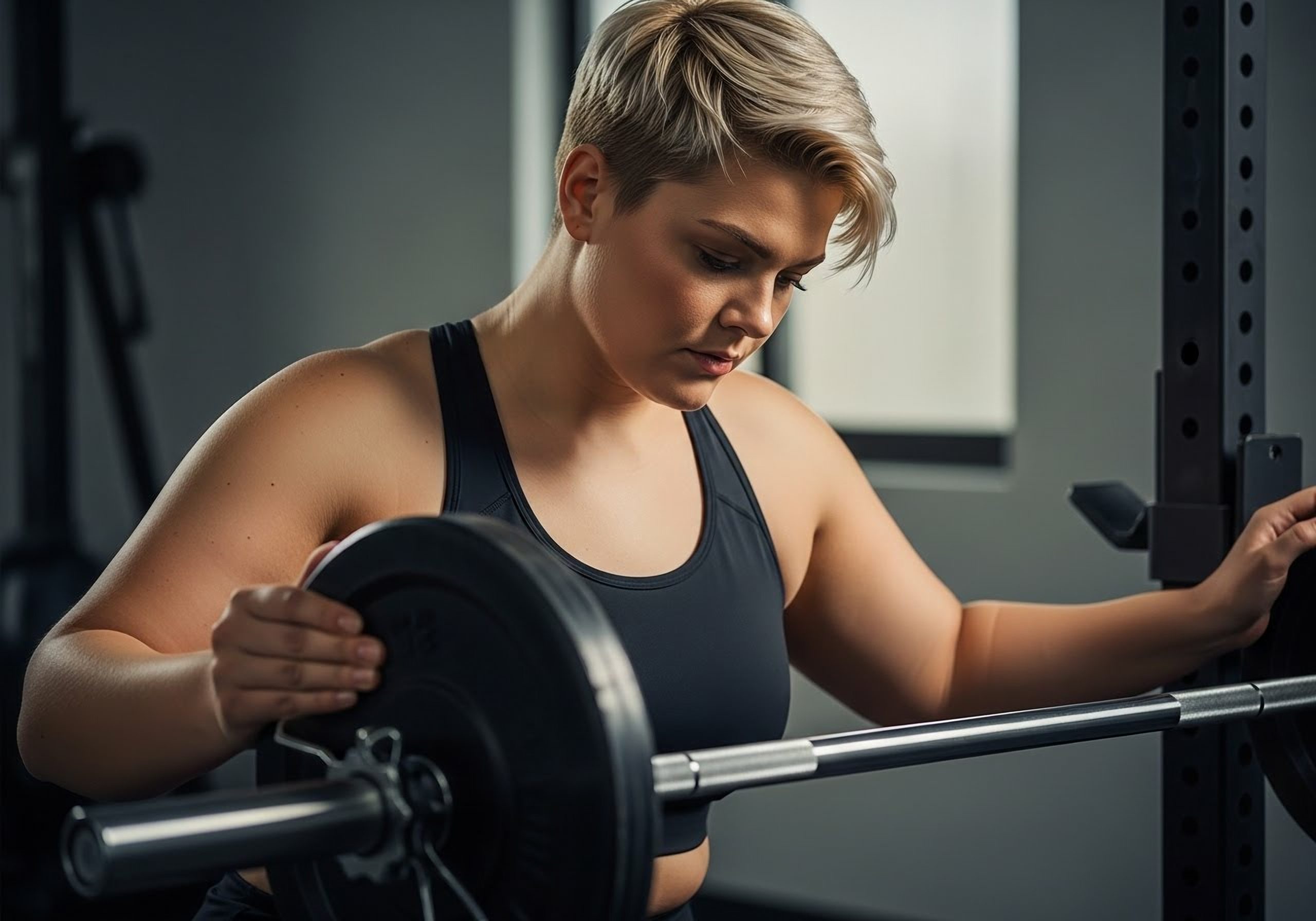
The shift came when I focused on strength training.
Instead of asking, “How many calories did I burn?” I started asking, “How much stronger can I get?”
Strength training builds muscle, and muscle changes how your body looks and functions. It also helps your body use energy more efficiently. This means you do not have to cut your food intake to extreme levels just to lose fat.
Another benefit was mental. Lifting weights required focus. Slowing down. Being present. It was not about rushing through a workout. It was about doing each movement well.
Over time, this built a stronger body and a healthier relationship with exercise.
Workouts matter, but what you do outside the gym matters just as much.
Walking became a daily habit.
Instead of aiming for a weekly average, I set a daily goal of 10,000 steps. This made it easier to stay consistent. No skipping days and trying to make up for it later. Some people set a weekly average and that works for them, which is great! For me, it's best to hit the 10K daily so I never have to play catch-up.
Usually I walked outside. But even when it was raining or too cold, I did it anyway. Then I just got on the treadmill. It did not matter where I walked. What mattered is that I did it consistently, every day, rain or shine.
Over time, this habit stuck. Many days now go well beyond 10,000 steps.
Walking is simple, but it works. It keeps your body active without adding stress. It supports fat loss without draining your energy. And it is easy to maintain long term.
It's also one of the first things that drops when people are starting to “fall off their plan”. And the weight comes back.
One of the fastest ways to see hidden calories is to track your drinks.
Alcohol was a big one for me back then.
I was drinking wine several times a week and I didn't need any special reason for it. For example, I would always teach bootcamp classes on Tuesday, Thursday and Friday evenings, and at least twice a week after that class I would have a glass or two of wine. Plus there were weekends. We lived in California and there were tons of wineries to visit on weekends. So we did 🙂
When I started tracking, I had to ask a simple question: is this how I want to use my calories?
Often, the answer was no.
By cutting back on alcohol, I had more room for actual food. Food that helped me feel full, build muscle, and recover properly.
Over time, the habit shifted. Drinking went from something regular to something occasional. Not because I forced it, but because it stopped feeling worth it. And these days it's super rare that I drink.
This might be the most important change of all.
The old mindset was rushed and intense. I wanted results quickly and yes, I got them. But the cost was high.
It lead to burnout.
The new approach was slower and more relaxed. I focused on what I could do consistently over months, not days.
That meant:
If I went over my calories one day, a little bit, it did not matter. If I missed a workout, which was rare, I just did it the next day.
This shift removed a lot of pressure. It made the process feel manageable instead of overwhelming.
And that is what made it sustainable.
And yet, I was consistent most of the time. You can't lose weight if 3 days out of 7 you eat whatever and don't move. You can't build muscle if you “don't feel like working out” 2 weeks in a row.
Today, I still work out 3-4 times a week and walk at least 10K steps per day. But I don't track my food anymore. I don't have to, I know what to do now. That's why I learned!
Tracking taught me what balanced eating looks like. I learned how to build meals with enough protein and nutrients. I developed a sense of portion sizes that I could trust.
Because I built muscle over time, my metabolism feels more flexible. I can enjoy anything in reasonable amounts and I won't “lose my results”.
Since 2020, there has never been any need to “start over” or “try this diet” or take weight loss shots, lol. I have a rhythm and lifestyle that works. And this is my goal for every single woman that I work with, too.
Losing weight does not require extreme dieting. What it does require is a shift in how you think about food, exercise, and time.
When you focus on eating enough protein, building strength, moving daily, and staying consistent, your body changes in a way that lasts.
It is slower than a quick fix. But it is also more reliable. You are not just losing weight. You are building a system that keeps it off. And once that system is in place, you do not need to start over.
You can get started by getting my FREE calorie setup guide here:
More resources:
Fit From Scratch: Free follow-along workouts that are beginner-friendly. Choose between bodyweight only or dumbbells option: https://kerstenkimura.com/fit-from-scratch/
FREE Lean Ladies Calorie, Protein and Workout Guide: https://kerstenkimura.com/lean-ladies-calorie-protein-and-workout-guide-2/
FREE Course Strong and Sensitive: https://kerstenkimura.com/14-day
FREE nervous system regulation guide for anxiety: https://kerstenkimura.com/3-somatic-exercises-free-guide/
Beginner Level Strength Training Program: https://courses.kerstenkimura.com/train-to-build-starter-program/
Intermediate Level Strength Training Program: https://courses.kerstenkimura.com/train-to-build-intermediate/
Fit and Fueled Vault: A collection of 75+ video trainings providing sustainable, holistic approach to strength, nourishment, and nervous system regulation for women. NO DIETS. https://courses.kerstenkimura.com/fit-and-fueled-vault-course/
Emotionally Fit is my emotional awareness program for chronic pain or other chronic symptom recovery. You can find it here: https://courses.kerstenkimura.com/emotionally-fit-program/
Visit my Etsy store: https://www.etsy.com/shop/dotsbykersten
Apply to work with me: https://forms.gle/6NNHGmhvBQERvmu67
Get in touch:
Website: kerstenkimura.com
YouTube: https://www.youtube.com/@kerstenkimurafitness
Pinterest: https://www.pinterest.com/KerstenKimuraCoach/
Facebook: https://www.facebook.com/kerstenkimuracoaching/
Podcast: Play in new window | Download
Subscribe: RSS
https://youtu.be/BgZgZp_wtCU If you feel like you’re doing everything right but still gaining weight, you’re not…
Come shop Costco with me! In this video you'll see everything I put in my…
Before you start using the calories My Fitness Pal gave you for weight loss, here's…
Why is it that people in Northern Europe stay fit without crazy diet fads and…
What are the best foods to buy at Costco when you are 40+ and want…
If you are tracking your food with My Fitness Pal but aren't seeing the weight…